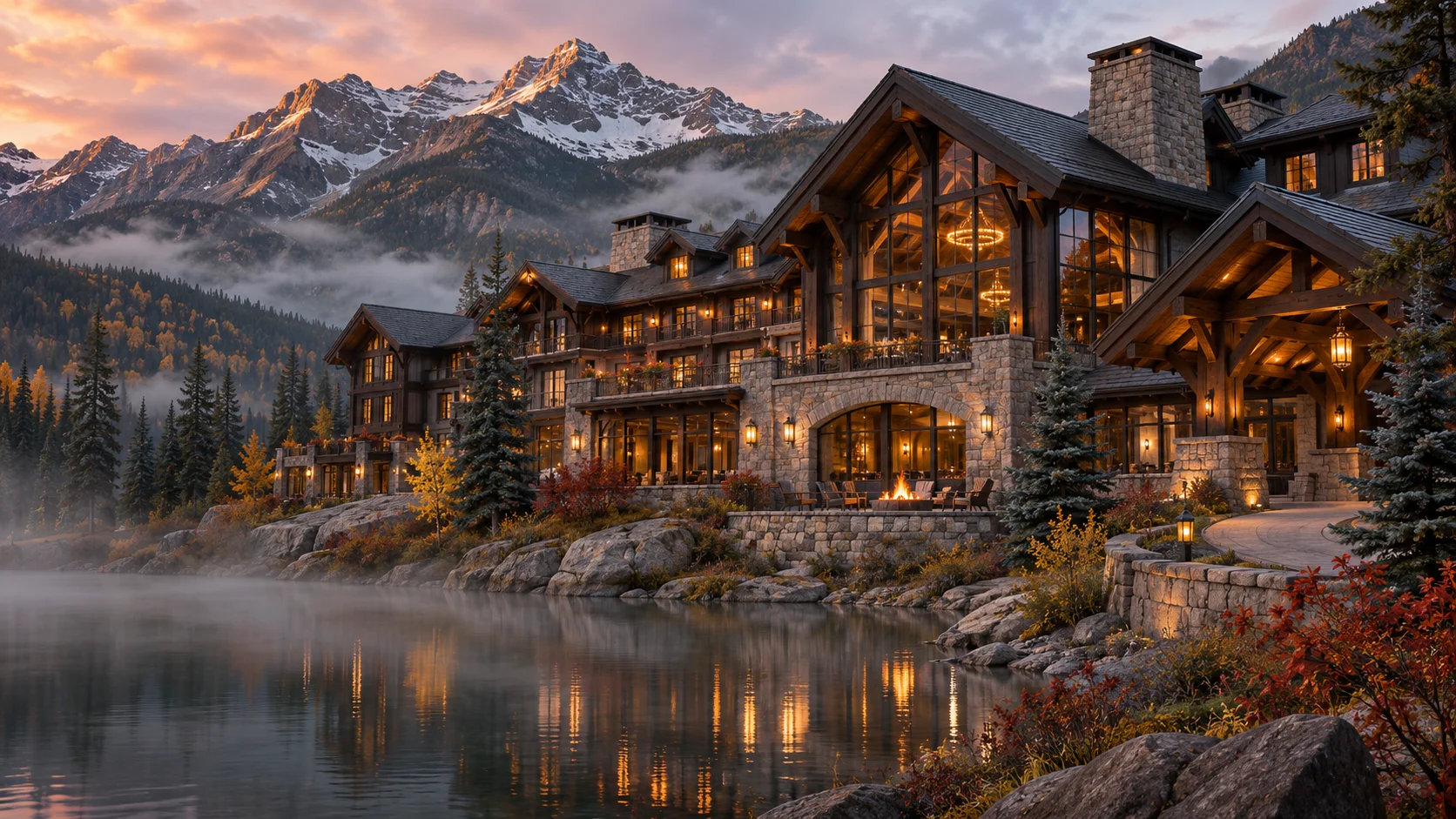
A city hotel and a mountain retreat face different demand patterns. Build a seasonal plan around your own booking evidence and local calendar.
Start with your own demand map
Review booking pace, lead time, length of stay and cancellations by month and day of week. Separate leisure, business, groups and other relevant segments. A Canadian resort and a US downtown property should not inherit the same calendar simply because both serve premium travellers.
Validate the local calendar
Confirm dates directly with event organisers before building offers around conferences, festivals or sports fixtures. Check school breaks and public holidays relevant to your source markets. Treat the calendar as a planning input, not a guarantee of demand.
Align staffing and maintenance
Plan training before peak periods and schedule disruptive work when demand allows. Account for weather-related operational needs specific to the property. Prepare practical arrival information and a service plan for transport interruptions without promising conditions beyond your control.
Make cross-border booking clear
Display the billing currency, accepted payment methods and booking conditions clearly. Avoid making assumptions about border entry requirements; point guests to official government information when asked. Review tax and fee presentation with the appropriate local adviser.
Build a rolling action plan
Create a 90-day view of demand, staffing, maintenance and marketing priorities. Refresh it weekly using booking evidence. For a soft period, test a specific travel occasion or local partnership before applying broad discounts that may weaken the positioning of the property.
Thoughtful hospitality begins with a better question. Take one idea from this story and put it into practice with your team.
Explore more perspectives ↗